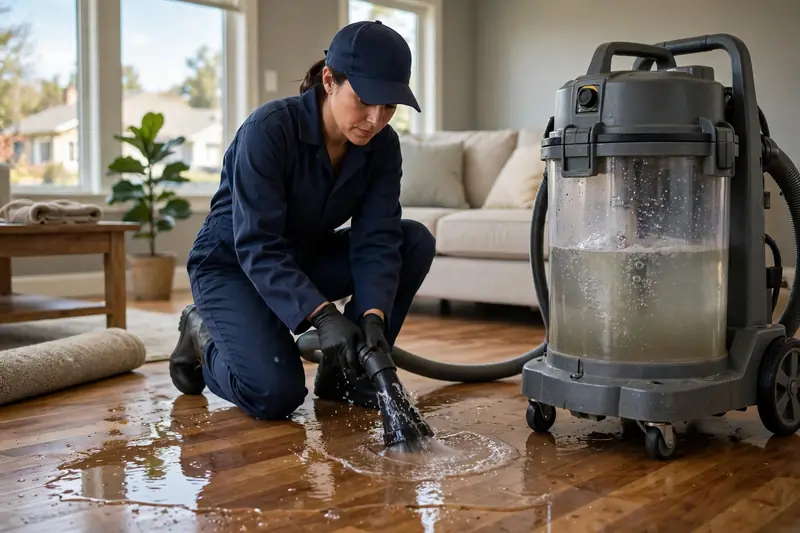
Water Extraction
Standing water removed fast with truck-mounted and portable extractors.
Learn More →
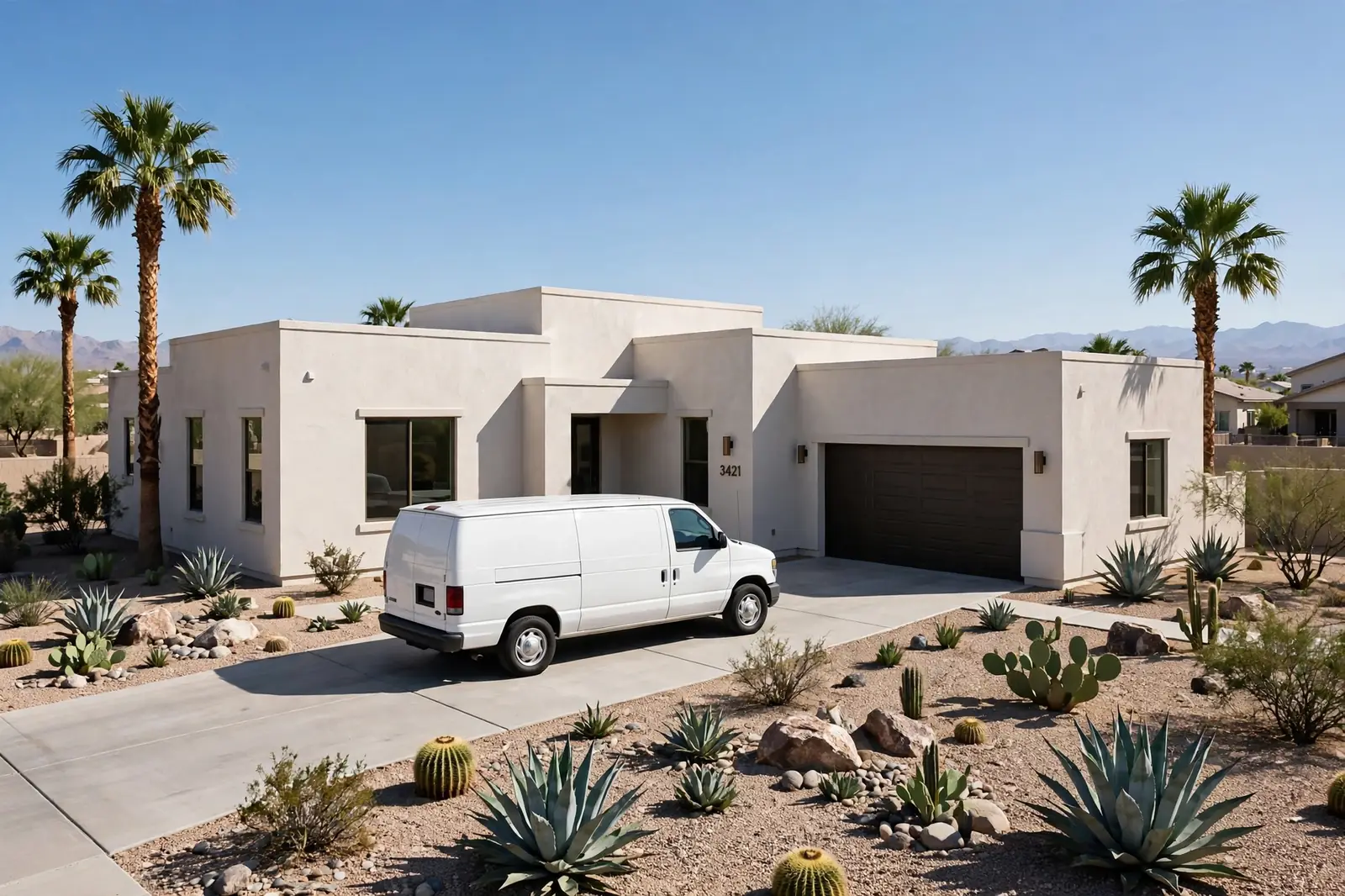
RestoreNov provides Water Damage Restoration Chandler, AZ homeowners trust. We are Chandler's emergency restoration team, serving homes across Chandler and the East Valley with fast extraction, moisture-verified drying, mold prevention, and repair, all handled as one job.

Water in your home right now? Shut off the water source if it is safe, stay clear of electrical hazards, and call us.
From fast water extraction to complete structural drying, cleaning, mold prevention, and repair.
Standing water removed fast with truck-mounted and portable extractors.
Learn More →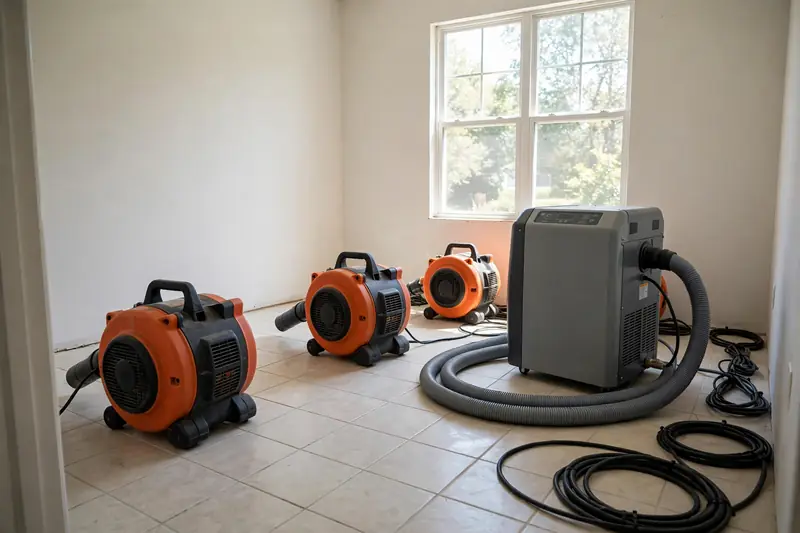
Commercial air movers and dehumidifiers dry the structure to a verified dry standard.
Learn More →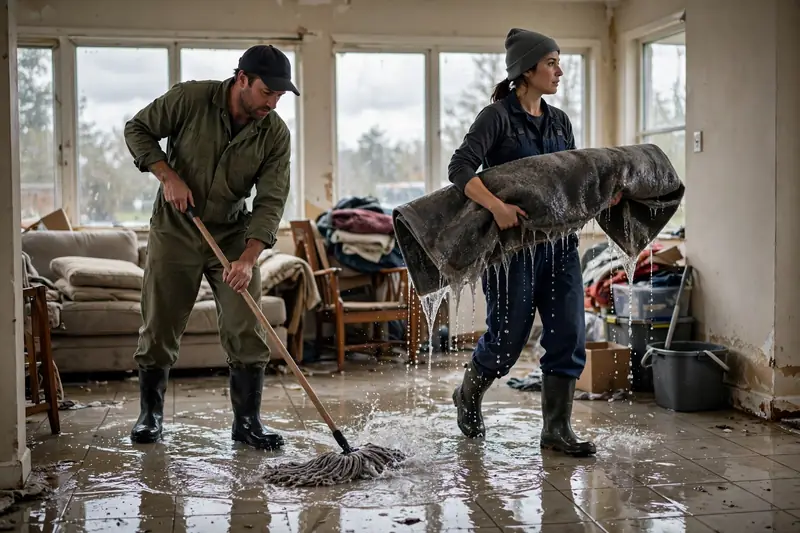
Monsoon and storm floodwater cleanup, including Category 3 contaminated water.
Learn More →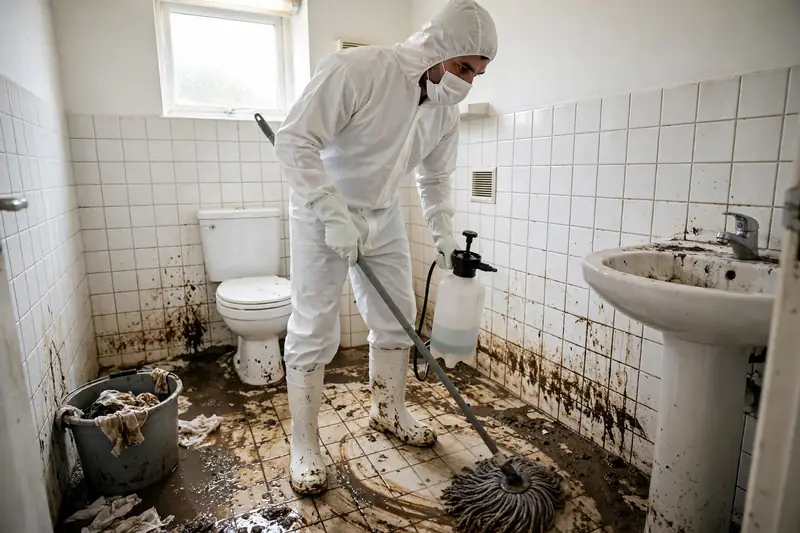
Safe extraction, sanitization, and removal of contaminated materials after sewage backups.
Learn More →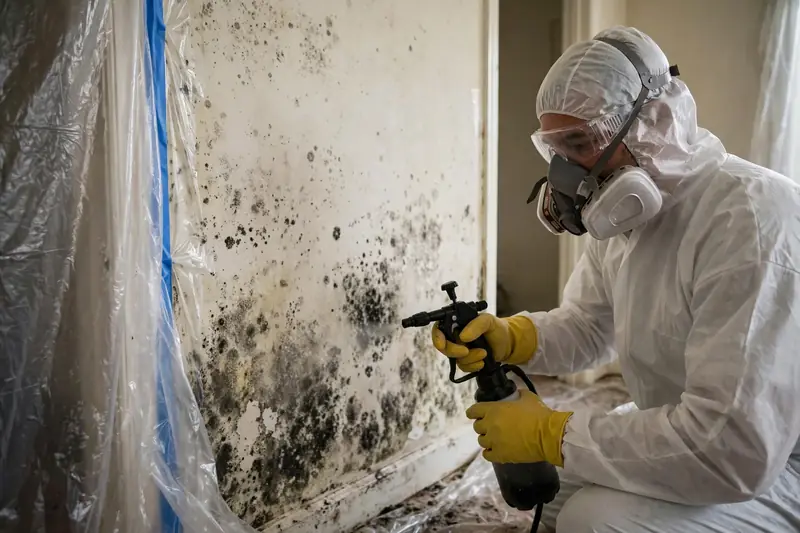
Containment and remediation where mold growth has started or is suspected.
Learn More →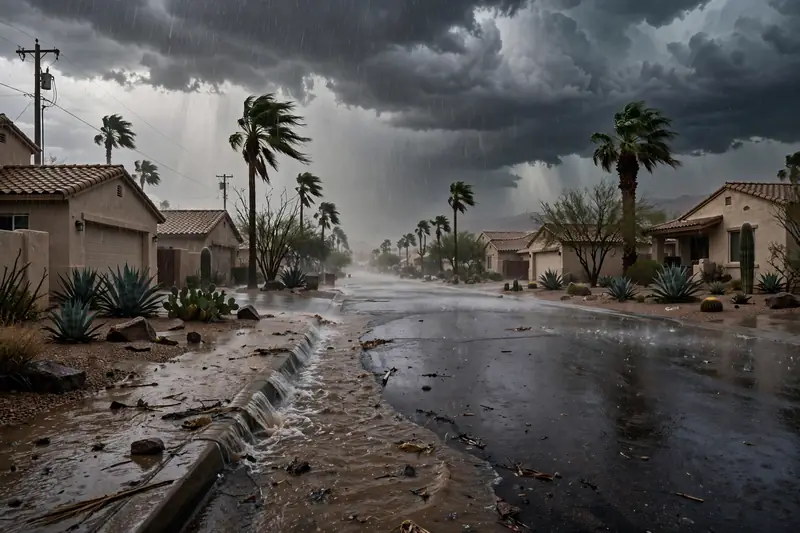
Roof leaks, flash flooding, and wind-driven rain damage from Arizona monsoon storms.
Learn More →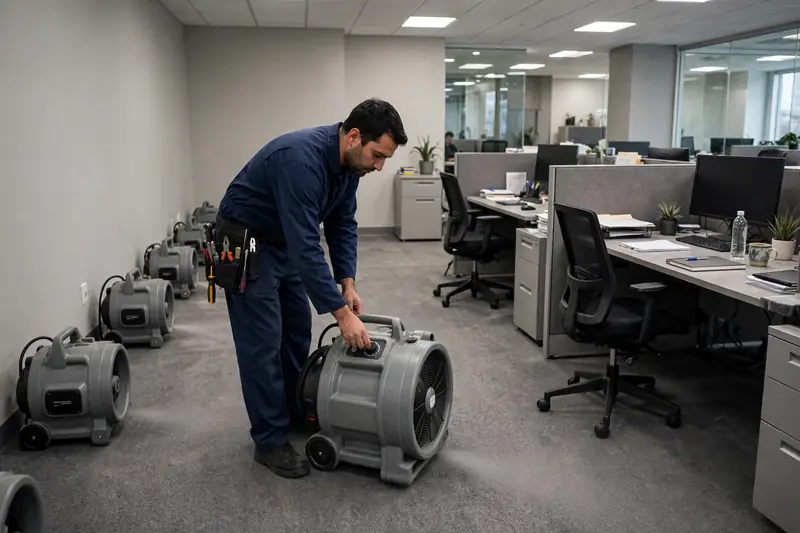
Offices, retail, restaurants, HOAs, and multi-family properties across the East Valley.
Learn More →
Photos, moisture readings, and a written scope documented for your carrier and adjuster.
Learn More →When water gets into your Chandler home, the clock starts right away. A burst pipe, a clogged AC drain line, a slab leak, or a monsoon storm can soak drywall, flooring, insulation, and furniture in minutes, and the damage keeps spreading until the water is removed and the structure is fully dried. RestoreNov provides Water Damage Restoration Chandler, AZ homeowners trust. We are Chandler's emergency restoration team, serving homes across Chandler and the East Valley, from fast water extraction to complete structural drying, cleaning, mold prevention, and repair. Call (480) 701-8249 any time, day or night, and a live person will answer and dispatch help.
Direct answer: Water damage restoration is the professional process of removing standing water, drying the structure, cleaning and sanitizing affected areas, preventing mold growth, and repairing damaged materials so your home returns to a safe, dry, pre-loss condition. For most Chandler homes, emergency extraction starts within hours of your call, structural drying takes 3 to 5 days, and repairs follow once moisture readings confirm the structure is dry.
If you just found water in your home, do these things in order, and only if you can do them safely:
Water damage restoration is not one job but a sequence, and skipping any step leaves moisture behind that can cause mold, odors, and structural problems weeks later. A complete restoration includes all of the following:
Extraction only, or drying without moisture readings, is not a complete restoration. Ask what is included before work begins, and get the scope in writing.
Water does not sit still. Within minutes it spreads across floors and wicks up drywall. Within hours it soaks into subfloors, insulation, and wall cavities. The U.S. Environmental Protection Agency (EPA) advises cleaning and drying wet materials and furnishings within 24 to 48 hours to prevent mold growth. Source: EPA, Ten Things You Should Know About Mold In Arizona summer conditions, with warm indoor temperatures and attic spaces that run far hotter, the fast end of that window is a real risk.
Speed also controls cost. A leak caught and dried on day one is often a drying job. The same leak left for three days can become a demolition and rebuild job, because materials that could have been dried in place pass the point of recovery and must be torn out and replaced. Delay also gives water time to reach rooms you never saw get wet, since moisture travels along framing, under flooring, and through concrete.
Call as soon as you find the water. If you are waiting for a plumber to fix the source, call the restoration team at the same time. Extraction and drying can begin while the plumbing repair is scheduled, and early action is the single most effective way to limit both damage and cost.

Chandler homes face a specific mix of water risks. Some come from the desert climate, some from the way local homes are built, and some from everyday plumbing and appliances. These are the causes we see most often.
Arizona monsoon season runs roughly June through September. Short, violent storms can drop more than an inch of rain in under an hour, overwhelm roof drainage and yard grading, and push water through roof valleys, window frames, door thresholds, and garage entries. Haboob dust storms ahead of the rain can clog roof drains and gutters, which makes flooding worse. Homes near washes, low spots, and streets with poor drainage face the highest risk. After a monsoon storm, roof leaks often show up as ceiling stains hours or days later, because attic water soaks insulation before reaching the ceiling drywall below.
This is one of the most common and most Chandler-specific causes. Air conditioners in Chandler run most of the year, and every hour they run they pull moisture out of the indoor air. That moisture collects on the evaporator coil and drains away through a condensate drain line, usually a white PVC pipe. When that line clogs with algae, dust, or debris, the drip pan overflows. In many Chandler homes the air handler sits in the attic, so an overflowing pan sends water straight down through insulation, ceiling drywall, and flooring below.
Warning signs include water pooling near the indoor unit, a stain or active drip on the ceiling below an attic unit, a musty smell from the vents, standing water in the drain pan, and an AC that shuts itself off because the float switch tripped. A clogged condensate line is a small maintenance problem that becomes a ceiling repair and mold prevention job when it goes unnoticed, especially in rooms that are not used every day.
Most Chandler homes are built on a concrete slab foundation, with water supply lines running beneath the slab. A slab leak happens when one of those lines cracks, corrodes, or fails under the concrete. Chandler water is hard, commonly measured in the high teens to low twenties in grains per gallon, and hard water accelerates corrosion inside metal pipes. Expansive and shifting soils, seasonal moisture changes, and settlement add stress to rigid piping, and hot water lines wear faster because of temperature cycling.
Slab leaks are hard to spot because the failure is underground. Warning signs include a water bill that jumps without a change in usage, the sound of running water when every fixture is off, a warm or damp spot on the floor, moisture or mildew under carpet, new cracks in baseboards or walls, and low water pressure. A water meter that keeps moving with all fixtures off is a strong indicator. Slab leak damage often shows up far from the actual leak, because moisture migrates through concrete and up foundation edges.
Supply line failures, fitting failures, and corroded pipes can release hundreds of gallons into a home in hours. In Chandler, pipe failures usually come from corrosion, high water pressure, aging materials, and installation wear rather than freezing, although exposed lines in garages and patios can still be vulnerable on cold desert nights. Slow leaks behind walls and under sinks are just as destructive over time, saturating framing and drywall quietly for weeks before anyone notices a stain or smell.
A failed water heater can release 40 to 80 gallons at once, and a slow tank leak can soak a garage, utility room, or closet for days. Sediment buildup from hard water shortens tank life and increases failure risk. Rust-colored water, rumbling noises, and moisture around the base of the tank are warning signs to act on before a failure.
Washing machine supply hoses, dishwasher connections, refrigerator ice maker lines, and reverse osmosis systems all fail. Washing machine hoses are a leading source of sudden indoor flooding, and a dishwasher leak under cabinets can soak subfloor and wall cavities while the kitchen looks dry. Reverse osmosis drain connections under kitchen sinks are a frequent slow-leak source in Chandler homes.
Monsoon wind-driven rain, cracked tile, failed flashing around vents and chimneys, and clogged roof drains let water into the attic. Roof leak damage often appears as a ceiling stain far from the entry point, because water travels along rafters and roof decking before it drips down.
Sewer backups during heavy storms, main line blockages, and root intrusion push contaminated water up through floor drains, tubs, and toilets. Sewage water is Category 3 black water and must be treated as a health hazard, not a cleanup job for household tools.
Restoration professionals classify water by contamination level. The category determines what can be dried in place, what must be removed, and what safety steps apply.
Water from a clean source, such as a supply line break, a burst pipe carrying clean water, or a tub overflow without contaminants. Clean water can still cause major damage, and it can degrade into Category 2 if it sits and picks up contaminants.
Water with significant contamination, such as washing machine discharge, dishwasher discharge, toilet overflow with urine but no feces, or aquarium water. Gray water carries bacteria and chemicals. Porous materials soaked with gray water usually must be removed rather than dried.
Grossly contaminated water, including sewage, floodwater from outside the structure, and water that has traveled through soil or waste lines. Black water carries pathogens and toxins. Porous materials it soaks, including carpet, pad, and the lower portion of drywall, are normally removed. Floodwater from a monsoon storm counts as Category 3, even if it looks clear, because it has picked up contaminants on its way into your home.
Tell the restoration team what kind of water you are dealing with when you call. It changes the equipment, the safety steps, and the scope of work.
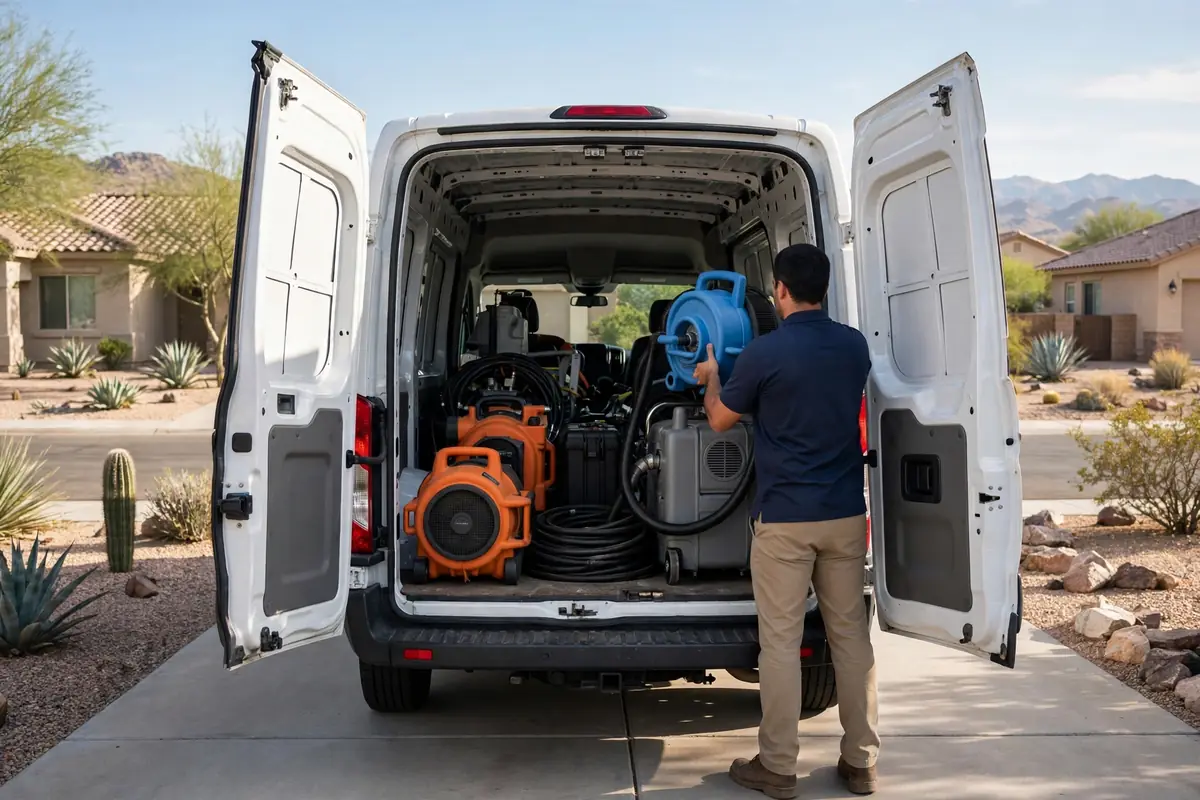
A professional restoration follows a fixed sequence. Here is what happens, step by step, when you call RestoreNov
Cost depends on the water category, the square footage affected, the materials involved, how long the water sat, and how much rebuild work is needed. A small clean water leak in one room costs far less than a multi-room sewage backup or a whole-house flood.
| Scope | Typical cost | Label |
|---|---|---|
| National (USA) | Average about $3,868; most projects $1,383 to $6,369 | Nationally published data, not a quote |
| Maricopa County | About $710 to $5,076 | Published cost-guide range, not a quote |
Source for national figures: Angi: How Much Does Water Damage Restoration Cost? (Angi 2026 national data, verified live). These ranges cover the common middle of the market. Small, early, clean water jobs can land below these ranges, and large, contaminated, or long-delayed jobs can exceed them.
What drives your final cost:
Insurance: Most standard homeowners policies cover sudden and accidental water damage, such as a burst pipe or a sudden AC overflow. They generally do not cover gradual leaks that were ignored, or flood damage from outside rising water, which usually requires separate flood insurance. We document the loss with photos, moisture readings, and a written scope so your adjuster has what is needed, and we can coordinate with your carrier and your plumber so you are not managing three vendors at once.
The only way to get an exact number for your home is an on-site assessment. Call (480) 701-8249 for a free on-site moisture assessment and a written scope before work begins.
Homeowners choose us for reasons that are easy to verify before work starts.
We document the loss with photos, moisture readings, and a written scope so your adjuster has what is needed, and we can coordinate with your carrier and your plumber so you are not managing three vendors at once.
We provide 24/7 emergency water damage restoration across Chandler and the surrounding East Valley. Our Chandler service area includes Downtown Chandler, Ocotillo, Ocotillo Lakes, Fulton Ranch, Sun Groves, Tumbleweed Park, and South Chandler. We also serve Gilbert, Mesa, Tempe, Queen Creek, Sun Lakes, Ahwatukee, and Higley. Extended area - call to confirm dispatch: San Tan Valley, Maricopa, and Apache Junction. If you are in one of these extended areas, call (480) 701-8249 and we will confirm whether dispatch is available to your address.
Our address is 1651-1683 E Germann Rd, Chandler, AZ 85286, and our crews come to you. You get help at your home, where the water is.
Serving Chandler and the East Valley: Downtown Chandler, Ocotillo, Fulton Ranch, Sun Groves, Tumbleweed Park, Gilbert, Mesa, Tempe, Queen Creek, Sun Lakes, Ahwatukee, Higley.
Emergency calls are answered live 24 hours a day, and crews are dispatched right away with extraction and drying equipment. Arrival time depends on your location and current call volume, and you will be given a realistic arrival window.
Extraction usually happens on the first visit. Structural drying for most residential jobs takes 3 to 5 days of equipment run time with daily moisture checks. Repairs follow once moisture readings confirm the structure is dry. Large, contaminated, or multi-room jobs take longer, and your written scope will include a timeline for your job.
The U.S. Environmental Protection Agency (EPA) advises cleaning and drying wet materials and furnishings within 24 to 48 hours to prevent mold growth. Source: EPA, Ten Things You Should Know About Mold Waiting overnight adds hours of wet time to already saturated materials, and in warm Arizona conditions the fast end of that window is a real risk. Calling now costs nothing and limits the scope.
Most standard policies cover sudden and accidental water damage, such as a burst pipe or a sudden AC overflow. They generally do not cover gradual leaks, maintenance failures, or flood damage from rising water outside the home, which usually needs separate flood insurance. We document your loss for your carrier and adjuster.
In most cases, yes, for jobs limited to one or two rooms. Large jobs, sewage events, and jobs with heavy equipment noise or containment may make parts of the home unusable for days. Your crew will tell you what to expect before work starts.
Yes. Plumbing repair and water damage restoration are separate jobs: your plumber fixes the source, we handle extraction, drying, cleaning, and repair. We can coordinate timing so drying starts as soon as the source is controlled.
Stay out of the water, do not run household fans or vacuums in it, and call immediately. Sewage water is Category 3 black water and requires professional extraction, sanitization, and removal of contaminated porous materials. Do not attempt to clean it yourself.
Cost depends on water category, affected area, materials, and drying time. Nationally published 2026 data puts the average near $3,868, with most projects between $1,383 and $6,369; published Maricopa County guides list roughly $710 to $5,076. Your exact cost comes from a free on-site assessment and written scope.
Yes. Offices, retail spaces, restaurants, HOAs, multi-family properties, and medical and educational facilities in Chandler and the East Valley are part of our service area. Commercial jobs follow the same process with scheduling built around your business hours where possible.
Chandler, including Downtown Chandler, Ocotillo, Fulton Ranch, Sun Groves, Tumbleweed Park, and South Chandler, plus Gilbert, Mesa, Tempe, Queen Creek, Sun Lakes, Ahwatukee, and Higley. Extended area - call to confirm dispatch: San Tan Valley, Maricopa, and Apache Junction.
The U.S. Environmental Protection Agency (EPA) advises cleaning and drying wet materials and furnishings within 24 to 48 hours to prevent mold growth. Every hour of wet time adds to the scope - and the cost.
Practical reading on the leaks, storms, and drying questions Chandler homeowners ask about most.
How a clogged condensate drain soaks ceilings, and what to check before the stain spreads.
Simple steps to get your home ready before the next monsoon storm hits the East Valley.
Why the first two days after a leak decide whether you face a drying job or a mold job.
Warm spots, rising bills, and damp floors: the early signs of a leak under your slab.
Water damage gets worse every hour it sits. Call RestoreNov now at (480) 701-8249 for live 24/7 emergency response across Chandler and the East Valley. Fast extraction, moisture-verified drying, mold prevention, repair, and insurance-ready documentation, all handled as one job. If you are standing in water right now, shut off the water source if it is safe, stay clear of electrical hazards, and call.
Call us with what happened and where the water is. For emergencies, calling is fastest - a live person answers 24 hours a day.
Prefer to talk now?
Call (480) 701-8249 any time, day or night.
We serve Chandler and the East Valley: Downtown Chandler, Ocotillo, Fulton Ranch, Sun Groves, Tumbleweed Park, South Chandler, Gilbert, Mesa, Tempe, Queen Creek, Sun Lakes, Ahwatukee, and Higley.
Our address:
1651-1683 E Germann Rd, Chandler, AZ 85286