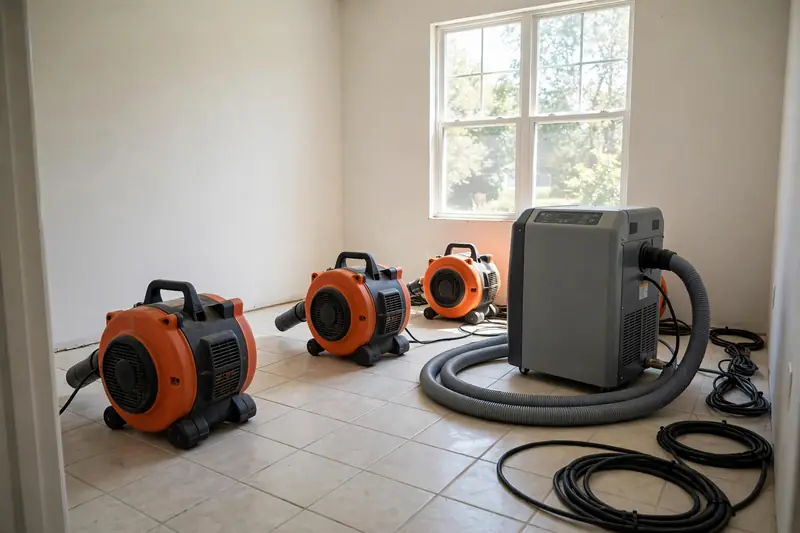
Repair and Reconstruction
Drywall, baseboards, flooring, paint, and trim restored after drying.
Learn More →
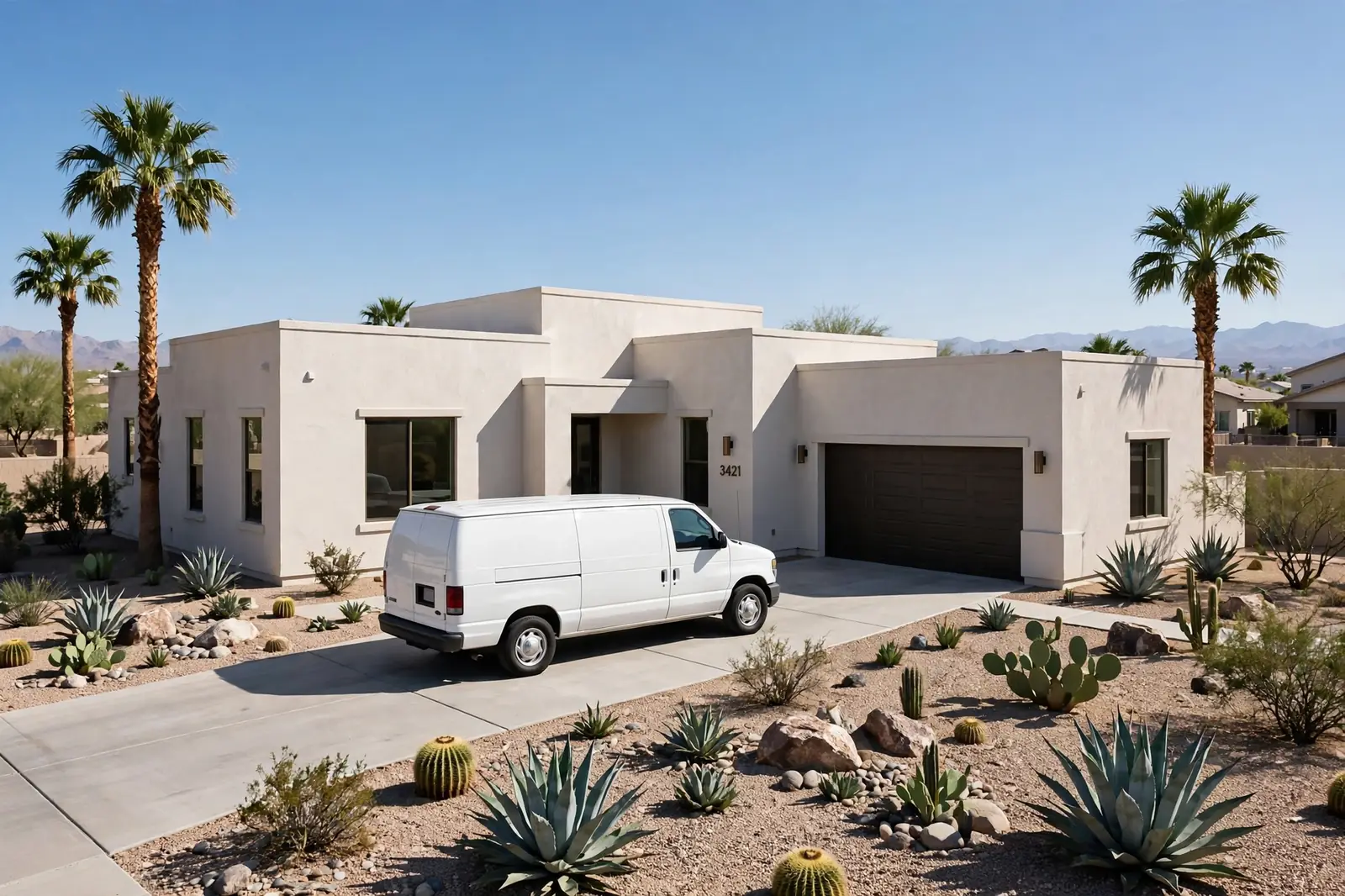
When water gets into a Higley home, it often starts in the places a fast-changing fringe area builds fastest.
Water in your home right now? Shut off the water source if it is safe, stay clear of electrical hazards, and call us.
When water gets into a Higley home, it often starts in the places a fast-changing fringe area builds fastest. A new-home plumbing connection that fails in the first years, a washing machine hose in a busy family laundry room, an AC condensate overflow above a ceiling, an irrigation main break near a foundation on a lot that was farmland a few years ago, or monsoon rain that ponds on a new street before drainage and landscaping settle. By the time a stain appears, the water has usually spread through drywall, flooring, and insulation. RestoreNov provides 24/7 emergency water damage restoration in Higley, AZ, from fast water extraction to moisture-verified structural drying, cleaning, mold prevention, and repair. Call (480) 701-8249 any time and a live person will answer.
Direct answer: Water damage restoration in Higley means removing standing water, drying the structure with commercial equipment, cleaning and sanitizing affected areas, preventing mold growth, and repairing damaged materials so the home returns to a safe, dry, pre-loss condition. For most jobs, emergency extraction starts within hours of your call, structural drying takes 3 to 5 days, and repairs follow once moisture readings confirm the structure is dry.
Higley is not a separate incorporated city. It is a southeast Chandler and Gilbert fringe area centered on the Higley Road corridor, between the Chandler and Gilbert sides of the East Valley, near the Higley and Baseline, Higley and Warner, and Higley and Ocotillo corridors. For years it was farmland and open desert on the edge of town. In recent years it has filled in with new subdivisions, apartments, retail, and medical centers, including new apartment construction near Higley and Baseline roads by Banner Gateway Medical Center, new retail at Higley and Warner roads in the Morrison Ranch area, and continued commercial development along the Higley corridor. That rural-to-suburban transition shapes the water risks here: mostly newer homes, active construction nearby, farm-era soils and drainage patterns, and a large share of homes still in their first decade of use.
Higley's housing stock is comparatively newer than Chandler's or Mesa's, and it is still growing. Many homes were built during the 2010s and 2020s, with open layouts, relatively current room proportions, and functioning interiors. That youth changes the failure pattern. In an older home, a renovation may begin because layouts, finishes, or major systems have reached the end of their useful life. In Higley, the more common story is a newer home with a single early failure: a bad fitting, a kinked supply line, a stuck irrigation valve, a water heater that fails early, or a roof detail that was never quite right and only shows up in a heavy monsoon storm. New does not mean immune. It means the failure is more likely to be a single point rather than system-wide wear.
The rural-to-suburban transition adds a second layer. Former farmland and open desert became subdivisions, and farm-era irrigation ditches, laterals, and drainage paths still shape how water moves through some areas. Homes built on former farmland can sit on soils that shift with moisture changes, which stresses rigid piping. New lots with fresh grading can settle, and grading that was correct at move-in can shift enough to direct storm water toward the house instead of away from it. Larger lots and rural-edge properties on the fringe can carry wells, septic systems, barns, or outbuildings in some cases, each with its own water risks.
Active construction is the third layer. New subdivisions, apartments, roads, and commercial centers along the Higley corridor change drainage patterns as they are built. A lot that drained well last year can take runoff from a new road, a new apartment site, or a new subdivision this year. Homeowners should recheck grading after nearby construction and after the first few monsoon seasons in a new home.
Many Higley homes are family homes with high daily water use. More showers, more laundry cycles, more dishwasher runs, and more toilet flushes per day than a two-person household means faster wear on hoses, valves, seals, and drains. Many homes also have pools, spas, outdoor kitchens, and extensive irrigation, each with its own failure points. New apartment communities along the Higley corridor add shared-wall and stacked-unit risks, where a leak in one unit can damage the unit below or the unit next door.
| Cause | What happens |
|---|---|
| New-Home Plumbing and Fixture Failures | In a newer home, the most common failures are single-point failures: a bad fitting, a loose connection, a kinked line, or a valve that sticks. Refrigerator ice maker lines, dishwasher connections, washing machine hoses, toilet supply lines, reverse osmosis drain connections, and second-floor laundry lines all fail. Washing machine hoses are a leading source of sudden indoor flooding. A dishwasher that leaks under cabinets can soak subfloor and wall cavities while the kitchen looks dry. Second-floor laundry rooms deserve special attention, because a failed hose or drain there sends water through the ceiling into the rooms below within minutes. In a newer home, these failures often show up in the first years, so a new-home inspection of hoses, valves, and connections is worth the time. |
| Irrigation, Grading, and Outdoor Water Intrusion | Higley's farm-era legacy and its new landscaping mean irrigation is everywhere. Irrigation main breaks, stuck valves, and broken sprinkler heads near a foundation can saturate soil and push moisture into the home. New-lot grading that settles can direct storm water toward the house instead of away from it. Pool equipment leaks, pool plumbing failures, and spa overflows can flood patios and seep under sliding doors. If you find standing water against a foundation wall after an irrigation cycle or a storm, treat it as a warning sign, not a one-time puddle. Irrigation water that has traveled through soil is not treated as clean water. |
| AC Condensate Drain Clogs | Air conditioners in Higley run most of the year, and every hour they run they pull moisture from indoor air. That moisture drains through a condensate line, usually white PVC. When the line clogs with algae, dust, or debris, the drip pan overflows. In many Higley homes the air handler sits in the attic, so an overflowing pan sends water straight down through insulation, ceiling drywall, and flooring below. Watch for water near the indoor unit, a ceiling stain below an attic unit, a musty smell from vents, standing water in the drain pan, or an AC that shuts itself off because the float switch tripped. Guest rooms, offices, and bonus rooms that are not used every day are where an AC leak goes unnoticed longest. |
| Slab Leaks | Most Higley homes are built on concrete slab foundations, with water supply lines running beneath the slab. A slab leak happens when one of those lines cracks, corrodes, or fails under the concrete. Hard water accelerates corrosion inside metal pipes. Expansive and shifting soils, seasonal moisture changes, new-lot settlement, and former farmland soils add stress to rigid piping, and hot water lines wear faster because of temperature cycling. Warning signs include a water bill that jumps without a change in use, the sound of running water when every fixture is off, a warm or damp spot on the floor, moisture or mildew under carpet, new cracks in baseboards or walls, and low water pressure. A water meter that keeps moving with all fixtures off is a strong indicator. |
| Water Heater Failures | A failed water heater can release 40 to 80 gallons at once, and a slow tank leak can soak a garage, utility room, or closet for days. Sediment buildup from hard water shortens tank life and increases failure risk. Rust-colored water, rumbling noises, and moisture around the base of the tank are warning signs worth acting on before a failure. A water heater in a garage can flood the garage and the rooms beside it. |
| Roof Leaks | Monsoon wind-driven rain, cracked tile, failed flashing around vents and chimneys, and clogged roof drains let water into the attic. Roof leak damage often appears as a ceiling stain far from the actual entry point, because water travels along rafters and roof decking before it drips down. In newer homes, a roof detail that was never quite right may only show up in a heavy monsoon storm, so a ceiling stain after the first big storm in a new home deserves a close look. |
| Monsoon Flooding and Open-Lot Runoff | Arizona monsoon season runs roughly June through September. Short, violent storms can drop more than an inch of rain in under an hour, overwhelm roof drainage and yard grading, and push water through roof valleys, window frames, door thresholds, and garage entries. Haboob dust storms ahead of the rain can clog roof drains and gutters. Higley's fringe location means open lots, new construction sites, and undeveloped land can send runoff toward nearby homes, and homes on the edges of new subdivisions can take runoff from undeveloped land. Floodwater from outside is Category 3 black water, even if it looks clear, because it picks up contaminants on its way into the home. |
| Apartment, Shared-Wall, and Multi-Unit Leaks | New apartment communities along the Higley corridor add shared-wall and stacked-unit risks. A leak in an upstairs unit can damage the unit below, and a leak in one unit can travel through a shared wall into the neighboring unit. Vacant units between tenants are riskier, because no one is there to spot a toilet supply failure or a water heater drip. Property managers should build leak checks into every turnover and every routine inspection. |
| Septic, Well, and Rural-Edge Water Risks | On the fringe, some properties carry septic systems, wells, barns, or outbuildings. A septic backup, a well equipment failure, or a barn water line break can flood living space or outbuildings and introduce contaminated water. Septic-related water is treated as Category 3 black water. If your property has a septic system, keep up with pumping and inspection schedules, and call a professional crew for any backup rather than handling it with household tools. |
| Sewage Backups | Sewer backups during heavy storms, main line blockages, and root intrusion push contaminated water up through floor drains, tubs, and toilets. Sewage water is Category 3 black water and must be treated as a health hazard. Do not mop it, do not run fans through it, and keep people and pets out of the area until a professional crew arrives. |
Restoration professionals classify water by contamination level. The category decides what can be dried in place, what must be removed, and what safety steps apply.
Category 1: Clean water. Water from a clean source, such as a supply line break or a tub overflow without contaminants. Clean water can still cause major damage, and it can degrade into Category 2 within 24 to 48 hours if it sits and picks up contaminants.
Category 2: Gray water. Water with significant contamination, such as washing machine discharge, dishwasher discharge, or toilet overflow with urine but no feces. Gray water carries bacteria and chemicals. Porous materials soaked with gray water usually must be removed rather than dried.
Category 3: Black water. Grossly contaminated water, including sewage, floodwater from outside the structure, and water that has traveled through soil or waste lines. Black water carries pathogens and toxins. Porous materials it soaks, including carpet, pad, and the lower portion of drywall, are normally removed.
Tell the restoration team what kind of water you are dealing with when you call. It changes the equipment, the safety steps, and the scope of work.
Category 1: Clean water. Water from a clean source, such as a supply line break or a tub overflow without contaminants. Clean water can still cause major damage, and it can degrade into Category 2 within 24 to 48 hours if it sits and picks up contaminants.
Category 2: Gray water. Water with significant contamination, such as washing machine discharge, dishwasher discharge, or toilet overflow with urine but no feces. Gray water carries bacteria and chemicals. Porous materials soaked with gray water usually must be removed rather than dried.
Category 3: Black water. Grossly contaminated water, including sewage, floodwater from outside the structure, and water that has traveled through soil or waste lines. Black water carries pathogens and toxins. Porous materials it soaks, including carpet, pad, and the lower portion of drywall, are normally removed.
Emergency call and dispatch. Your call is answered live, 24 hours a day. You describe the water source, the affected rooms, and whether water is still flowing. If the property is an apartment or multi-unit building, tell the dispatcher the unit number, the building access procedure, and whether other units may be affected. If a septic system or well is involved, say so. A crew is dispatched with extraction equipment, moisture meters, air movers, and dehumidifiers. If water is still flowing, you will be told where to find your main shutoff valve.
Inspection and moisture assessment. On arrival, the crew inspects every affected area and the rooms next to it, including rooms above and below the visible damage and, in shared-wall buildings, rooms on the other side of the wall. Moisture meters measure saturation in drywall, flooring, and framing. Thermal imaging cameras reveal temperature differences that point to hidden moisture behind walls and under floors. The crew identifies the water category, maps the full extent of the moisture, and writes a scope of work before drying equipment goes in. In newer homes with open layouts, water can spread across a large ground floor quickly, so mapping should cover the full floor, not just the room where the leak started.
Water extraction. Standing water is removed with truck-mounted or portable extractors. Carpet is lifted where needed so the pad and subfloor can be reached. This step is deliberately aggressive, because bulk water removed now does not have to be evaporated later.
Removal of unsalvageable materials. Materials that cannot be dried in place are removed in a controlled way. Carpet pad soaked with contaminated water is removed. Soaked insulation is removed. Drywall that has lost structural integrity or is contaminated is cut out, often with a flood cut a measured height above the water line.
Structural drying and dehumidification. Commercial air movers and low-grain refrigerant (LGR) dehumidifiers run until moisture readings confirm the structure is dry. Technicians return to take moisture readings, reposition equipment, and record progress. Drying is complete when materials reach their dry standard, not when they feel dry to the touch.
Cleaning and sanitizing. Affected surfaces are cleaned and treated with antimicrobial products. Hard surfaces are wiped and sanitized. Air scrubbers with HEPA filtration may run during drying to reduce airborne particles. After sewage events, sanitization is a major part of the job.
Mold prevention and monitoring. Fast, verified drying is the core of mold prevention. Published industry guidance says mold growth can begin in wet materials within 24 to 48 hours. Where conditions suggest mold growth may have started, containment and remediation steps are added.
Repair and rebuild. Once the structure is verified dry, damaged drywall, baseboards, flooring, paint, and trim are repaired or replaced so the room looks the way it did before the loss.
Final walkthrough and moisture verification. Before the job closes, the crew walks the space with you, reviews the final moisture readings, and confirms the scope is complete. You receive the documentation package for your records and your insurance carrier. For multi-unit buildings, the walkthrough should confirm whether neighboring or below units need inspection too.
Cost depends on the water category, the square footage affected, the materials involved, how long the water sat, and how much rebuild work is needed. A small clean water leak in one room costs far less than a multi-room sewage backup or a whole-house flood.
Nationally published cost ranges, labeled as national figures, not a quote for your home: Angi published 2026 national data puts the average water damage restoration cost at about $3,868, with most projects falling between $1,383 and $6,369. Published cost guides list Maricopa County water damage restoration between roughly $710 and $5,076. These ranges cover the common middle of the market. Small, early, clean water jobs can land below these ranges, and large, contaminated, or long-delayed jobs can exceed them.
What drives your final cost:
If insurance is involved, document everything. Photograph the source and the damage before cleanup, keep receipts, and keep the written scope and moisture readings. Our team provides photos, moisture logs, and a written scope that your adjuster can use. For newer homes, keep builder and warranty paperwork handy, because a plumbing failure in a newer home may involve a builder warranty question alongside the insurance claim.
Prevention is cheaper than restoration, and Higley homes benefit from a few specific habits. In a newer home, inspect hoses, valves, and connections in the first years, and replace washing machine hoses with braided stainless steel lines. Replace toilet and refrigerator supply lines on a schedule. Flush and inspect the AC condensate drain line before summer, and confirm the float switch works. Know where your main shutoff valve is, and make sure every adult in the household knows how to close it. Recheck yard grading after the first few monsoon seasons and after nearby construction, and make sure soil slopes away from the house. For irrigation, walk the yard during a cycle once a month and look for geysers, soggy spots, and water pooling against the foundation. For pools, inspect equipment and auto-fill valves for leaks. For septic systems, keep up with pumping and inspection schedules. For apartments and rentals, build leak checks into every turnover and every routine inspection. Check unused guest rooms and bathrooms weekly in summer, because a leak in an unused room can run for days before anyone notices.
Yes. Newer homes fail differently from older homes, but they still fail. A single bad fitting, a kinked line, a stuck irrigation valve, or a roof detail that was never quite right can cause a major leak. A new-home inspection of hoses, valves, and connections is worth the time, and a builder warranty may apply to some failures.
Recheck grading and make sure soil slopes away from the house. Standing water against a foundation wall is a warning sign, not a one-time puddle. Fix the grading, check for irrigation leaks, and call for restoration if water has already entered the home.
That depends on the source, the association or lease documents, and the insurance policies involved. Document which unit the water came from, which rooms were affected in each unit, and keep the scope and photos. Talk to your insurer and the property manager or association early. The restoration priority is the same either way: stop the source and dry all affected units.
Look for a yellow or brown stain on the ceiling below an attic unit, bubbling paint, sagging drywall, a musty smell from vents, or an AC that shuts itself off. Moisture meters and thermal imaging can confirm how far the moisture spread inside the ceiling cavity, even when the stain looks small.
It depends on the source and your policy. Sudden and accidental leaks are commonly covered. Gradual leaks that went unrepaired, maintenance failures, and most floodwater from outside are commonly excluded or covered only with separate flood coverage. Check your policy and talk to your adjuster early. Keep the scope, photos, and moisture logs.
Most residential drying takes 3 to 5 days. Jobs where water spread across a large open floor plan or into neighboring units can take longer. The crew will not close the job until moisture readings confirm the structure is dry.
We serve all of Higley, including the Higley Road corridor, the Higley and Baseline area, the Higley and Warner area, the Higley and Ocotillo area, and the surrounding southeast Chandler and Gilbert fringe, plus nearby Chandler neighborhoods and East Valley cities. If you are just outside Higley, call anyway. We cover the full Chandler area and the surrounding East Valley.
Every service below is available in Higley, handled as one job from extraction through repair.
Drywall, baseboards, flooring, paint, and trim restored after drying.
Learn More →
Photos, moisture readings, and a written scope documented for your carrier.
Learn More →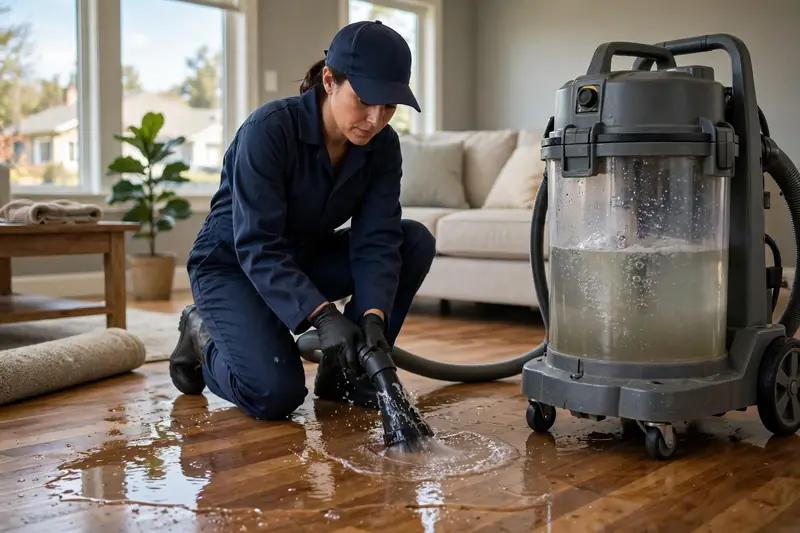
Standing water removed fast with truck-mounted and portable extractors.
Learn More →Commercial air movers and dehumidifiers dry the structure to a verified dry standard.
Learn More →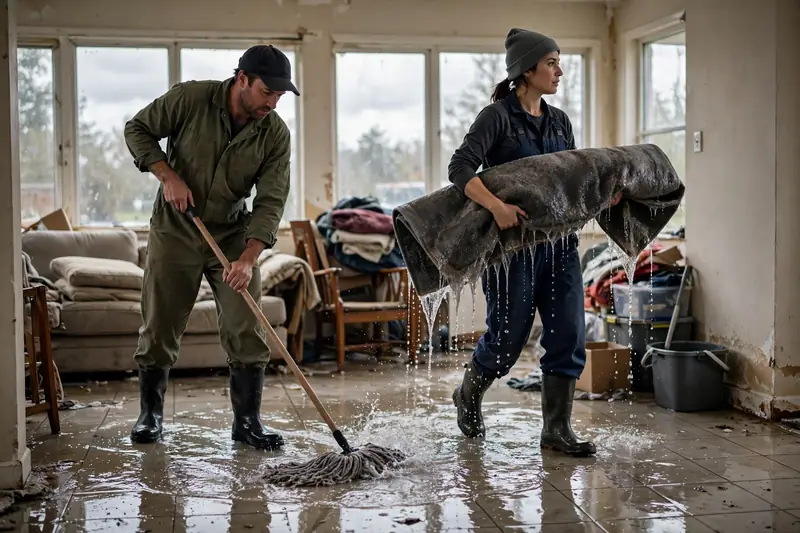
Monsoon and storm floodwater cleanup, including Category 3 contaminated water.
Learn More →Extraction and drying after pipe failures, slab leaks, and supply line breaks.
Learn More →We also provide 24/7 emergency water damage restoration in these nearby areas:
Water damage gets worse every hour it sits. Call RestoreNov now at (480) 701-8249 for live 24/7 emergency response in Higley. Fast extraction, moisture-verified drying, mold prevention, repair, and insurance-ready documentation, all handled as one job. If you are standing in water right now, shut off the water source if it is safe, stay clear of electrical hazards, and call.
Tell us what happened and where the water is. For emergencies, calling is fastest - a live person answers 24 hours a day.
Prefer to talk now?
Call (480) 701-8249 any time, day or night.
We serve Higley and the East Valley.
Our address:
1651-1683 E Germann Rd, Chandler, AZ 85286