Know What You Are Dealing WithThe Three Categories of Water
Restoration professionals classify water by contamination level. The category decides what can be dried in place, what must be removed, and what safety steps apply.
Category 1: Clean water. Water from a clean source, such as a supply line break or a tub overflow without contaminants. Clean water can still cause major damage, and it can degrade into Category 2 within 24 to 48 hours if it sits and picks up contaminants. In an empty home, clean water often sits long enough to degrade before anyone finds it.
Category 2: Gray water. Water with significant contamination, such as washing machine discharge, dishwasher discharge, or toilet overflow with urine but no feces. Gray water carries bacteria and chemicals. Porous materials soaked with gray water usually must be removed rather than dried.
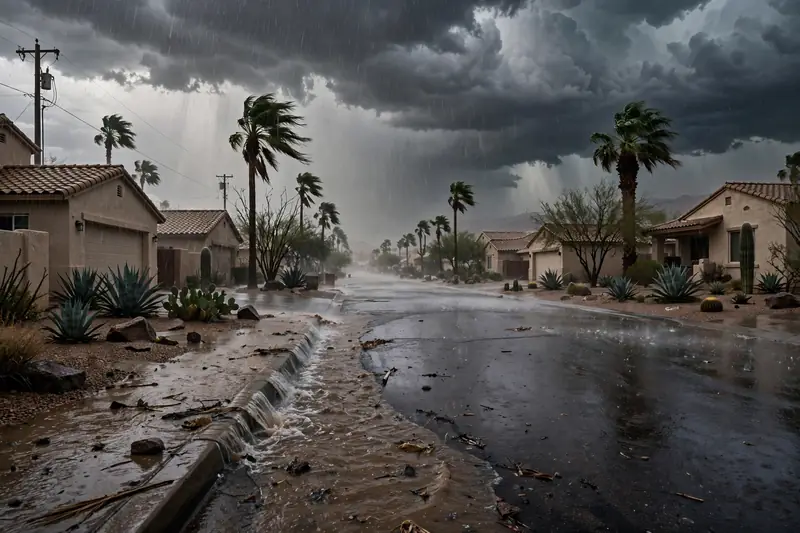
Category 3: Black water. Grossly contaminated water, including sewage, floodwater from outside the structure, and water that has traveled through soil or waste lines. Black water carries pathogens and toxins. Porous materials it soaks, including carpet, pad, and the lower portion of drywall, are normally removed.
Tell the restoration team what kind of water you are dealing with, and how long the home sat empty if it did. Both details change the equipment, the safety steps, and the scope of work.
Category 1: Clean water. Water from a clean source, such as a supply line break or a tub overflow without contaminants. Clean water can still cause major damage, and it can degrade into Category 2 within 24 to 48 hours if it sits and picks up contaminants. In an empty home, clean water often sits long enough to degrade before anyone finds it.
Category 2: Gray water. Water with significant contamination, such as washing machine discharge, dishwasher discharge, or toilet overflow with urine but no feces. Gray water carries bacteria and chemicals. Porous materials soaked with gray water usually must be removed rather than dried.
Category 3: Black water. Grossly contaminated water, including sewage, floodwater from outside the structure, and water that has traveled through soil or waste lines. Black water carries pathogens and toxins. Porous materials it soaks, including carpet, pad, and the lower portion of drywall, are normally removed.